Favorable against McGinnis
A pair of doors can approach a turret line from outside its preferred sightline. Plan an alternate exit after the wall and take the angle when your team can clear the setup alongside you.
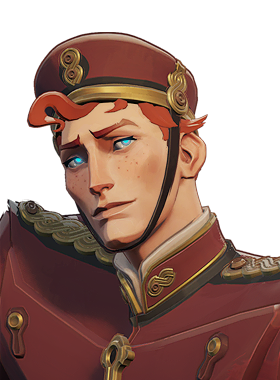
This The Doorman Deadlock guide covers lane trades, five-stage builds, and counterplay for the current patch. The Doorman turns familiar map routes into questions the other team has to answer. Set a doorway pair with a real purpose, such as arriving on a second angle or returning to a safer corner. Communicate the exit before allies commit to the entrance. Hotel Guest can create time for a different fight and gives you a known point to guard when the target returns.
Selected base values from game build 6875, before items and ability upgrades.
Throw a bell for impact damage, then detonate it early with a shot or let it explode on its own. Use the accuracy and movement debuffs to create one safer movement window.
Make two doors that connect for players and many projectiles. Put the receiving exit somewhere that serves the next play even if opponents notice the entrance.
Send a cart along a straight line to damage and carry opposing heroes. The alternate cast affects allies instead, which can be an escape tool if they know where it goes.
Send an opponent to the hotel for a limited time. They return to their original position, and a late checkout costs more damage. Decide what your side can accomplish while they are gone.
Buy for repeatable control from a position where teammates can act on it. Extra bell casts help you set both sides of an approach, while an area purchase makes a good angle more forgiving. A defensive pivot matters if you cannot remain near the return spot.
Use the five decisions below as a buying order when the match allows. If a specific enemy keeps interrupting your main ability or cutting off your escape, bring the defensive pivot forward before you commit to the next damage purchase.
Use the extra bell opportunity when your lane path regularly makes a small explosion useful. Keep one available for the moment a defender tries to move onto the same corner.
Improve repeated spell pressure when an early bell or cart created a usable follow-up. Do not spend all of that uptime before your ally can arrive.
Consider it around fights that regularly spread around opposite sides of a doorway. Pick the first line your allies can exploit rather than just the largest visible group.
Purchase sooner when Spirit burst is stopping you from preparing a doorway or guarding the hotel exit. Keep the cart for a defensive movement when the first engage has already gone bad.
Buy for consistently connected bells and cart damage after your positions are dependable. Keep the goal of a safer rotation ahead of a larger number on a blind shot.
Use Call Bell where the wave or a corner gives your opponent limited places to step. Set doors out of the main gun lane until both ends serve a real purpose. Land short cart pulls from an angle your lane partner can see, then take the next wave while defenders recover. Avoid losing your exit to a doorway the enemy can immediately use.
Use a second angle to push a target along the path your ally wants to contest. Detonate the bell when it covers their actual escape. Give a dangerous enemy Hotel Guest if their absence opens a useful fight elsewhere, then confirm the return mark is visible to your team before settling into position.
Prepare a route before a fight, rather than trying to draw two perfect doors while enemies are already shooting. Tell allies whether the pair is an entry or an exit. During the fight, a defensive cart or hotel cast can buy time to take a wave, escape a collapse, or finish a different target.
These are lane tendencies based on how the kits interact. Watch the other lane partner, cover, and spent cooldowns before committing.
A pair of doors can approach a turret line from outside its preferred sightline. Plan an alternate exit after the wall and take the angle when your team can clear the setup alongside you.
Lash can cross terrain without following the doorway path and reach the exit before you are ready. Split your routes and use the bell around his likely landing instead of monitoring only the entry.
Place the second door so your team owns the area around it. Tell teammates if the pair needs to be used quickly or left alone after the first rotation.
Check what matters more than the returning enemy. If the return point stays visible and the team has no better target, use the known location as the next planned angle.
Choose two possible exit walls for the same first door. Test the quickest path to each and compare what a shooter on the other team would see before you exit. Keep the pair that gives your team a better choice.
Use Hotel Guest on a practice target and move one corner sideways. Rehearse holding the return position without overexposing yourself, and practice switching to a different target if an ally already has its landing covered.
Place a door pair near a lane and walk it in both directions before attempting a cart. Identify the first piece of cover someone sees at either end. Rehearse moving the arrival point just enough to expose a visitor to a teammate's line. A worthwhile portal gives your own group a predictable way to leave when the fight changes.
A placement can be useful before anyone steps through it. Put one door where the enemy can see the possible entry, then use the other near an angle your team already controls. Watch whether a defender turns to check a new line or keeps the same route. That decision tells you whether to support an ally moving normally or put a cart through the doorway. If your team never gains a safer crossing or a second shot, make the next pair shorter and closer to the wave.
When you catch a dangerous player, tell the team which part of the fight is free while they are away and which corner you want allies to watch for the return. Use the gap to clear a wave, help someone escape, or force a different opponent off the contested space. A teammate can hold the likely return line while you keep your own exit open. A late cart is much easier to place after an enemy chooses a direction than while every player is still turning toward the first cast.
If opponents already control the long lane, set your entrance on a side that can reach friendly cover. Keep Call Bell near the first place they must slow down to turn. Use a cart to separate the first pursuer from the player supporting them, then step out of the angle instead of loading the whole team into a weak doorway. Return to the wave when the opposing team stays back. The lane remains easier to defend once your team knows which escape is actually open.
Updated for 11-26-2026 · Game build 6875
November 26 extended the visual hint for placing the second door while the first awaits its partner. It also fixed Luggage Cart disappearing on contact with Paradox’s Time Wall. Practice preparing the first door from a place you can hold while locating the receiving exit.
Yes. Choose a pair that stays useful even if an enemy sees it. A defensive exit that leads directly to an undefended ally can become a shortcut for the other team as well.
The target comes back at the original position when the hotel ends. Use that fact to keep a predictable line of sight, or act elsewhere while the target is unavailable.
Use the alternate cast to help an ally leave an angle you can see. Communicate the path first when time allows, especially if it changes how they plan to meet the next wave.