Deadlock Characters
Find your hero. Learn their abilities, core items, and combos.
Hero roster
26 hero guides · 44 playable heroes
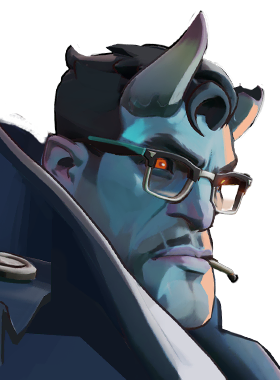
Abrams
FrontlineS tier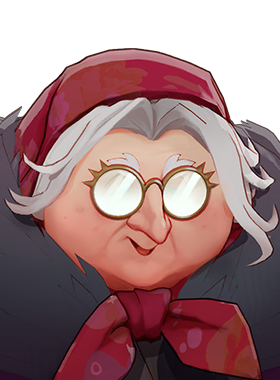
Baba
FrontlineA tier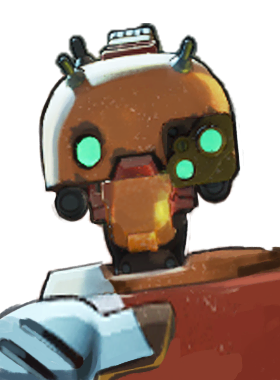
Bebop
ControlA tier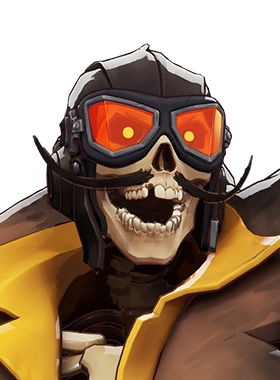
Deadman Danny
DamageB tier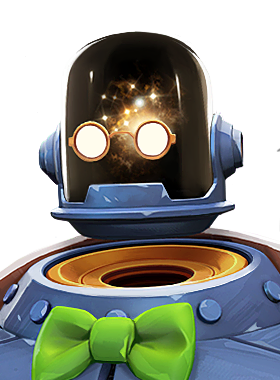
Dynamo
SupportS tier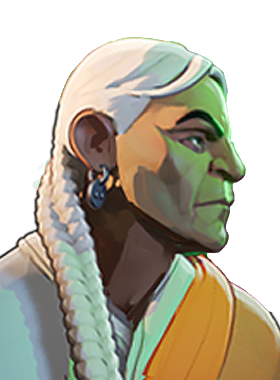
Grey Talon
DamageB tier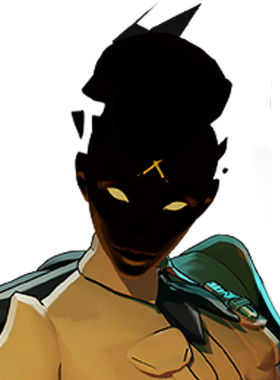
Haze
DamageA tier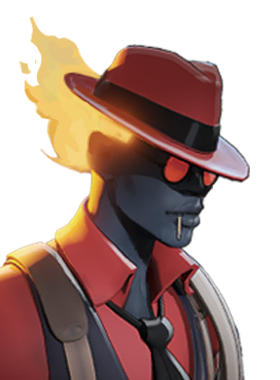
Infernus
DamageS tier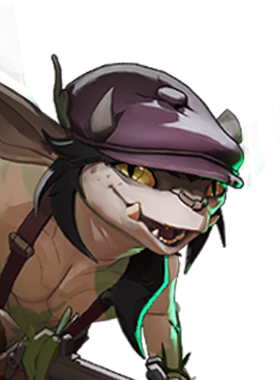
Ivy
SupportA tier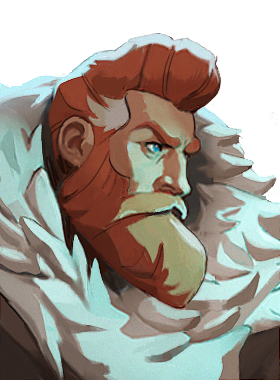
Kelvin
SupportS tier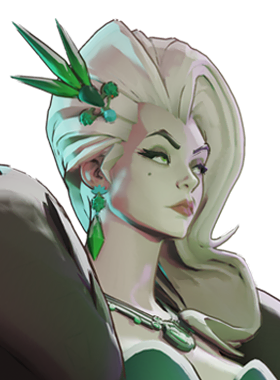
Lady Geist
DamageA tier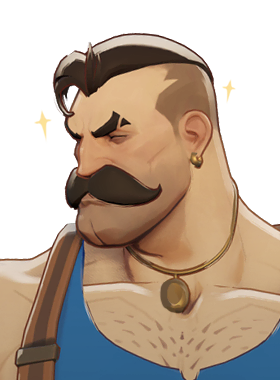
Lash
ControlA tier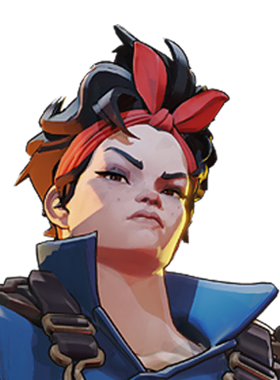
McGinnis
ControlB tier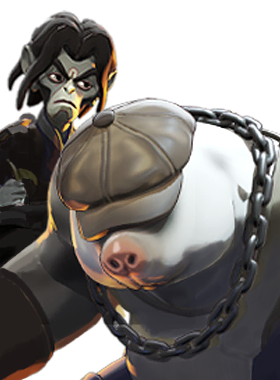
Mo & Krill
FrontlineS tier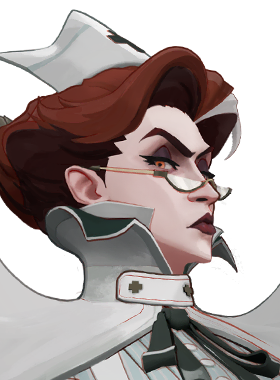
Nurse Harrow
SupportB tier
Paradox
ControlB tier
Pocket
DamageA tier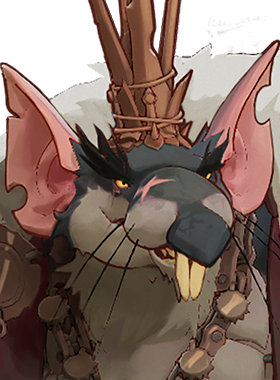
Rat King
FrontlineA tier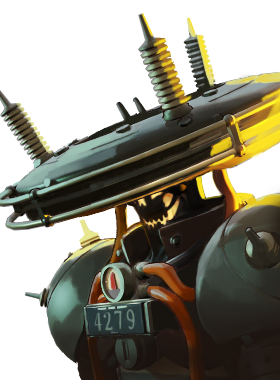
Seven
DamageS tier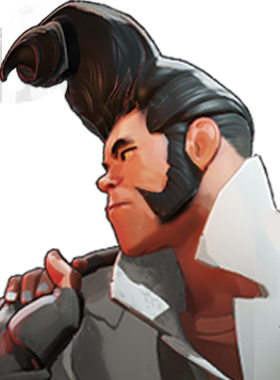
Shiv
FrontlineA tier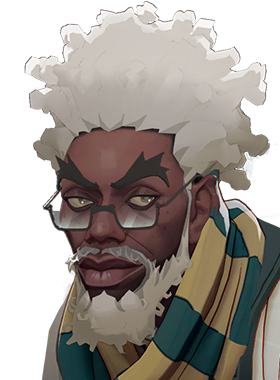
Solomon
ControlC tier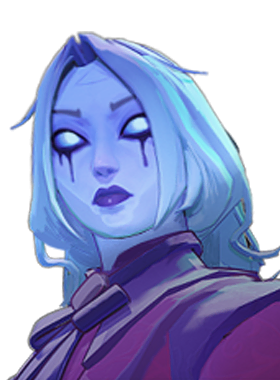
Vindicta
DamageB tier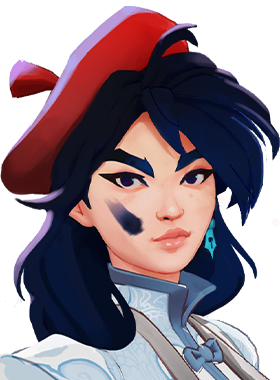
Violet
ControlC tier
Viscous
SupportA tier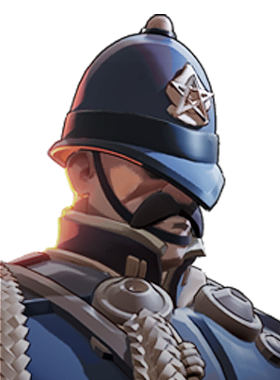
Warden
FrontlineA tier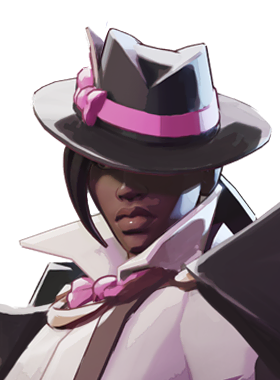
Wraith
DamageA tier
More playable heroes
The rest of the live roster is listed here. These links open the community wiki while the full guides are in progress.
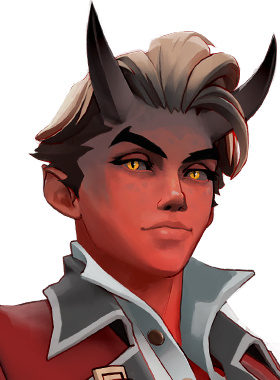 Apollo
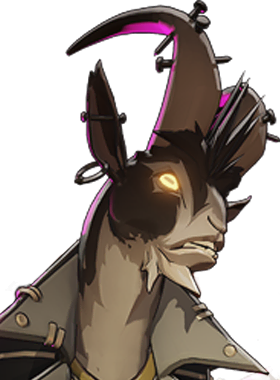 Billy
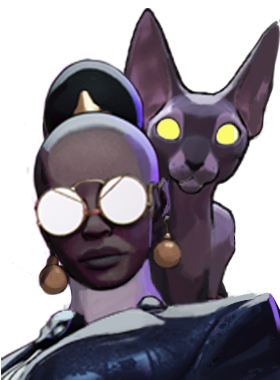 Calico
 Celeste
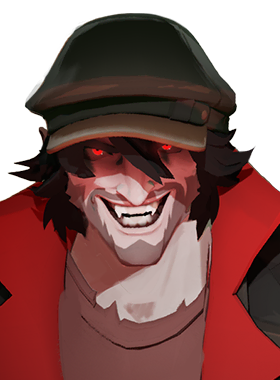 Drifter
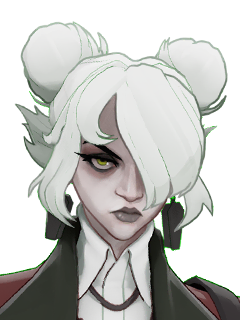 Graves
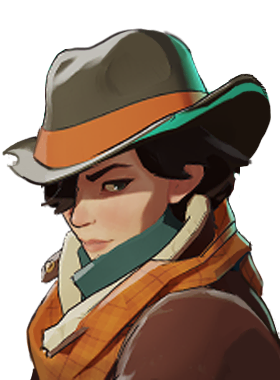 Holliday
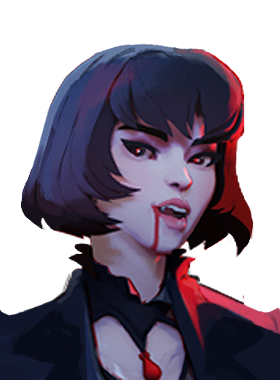 Mina
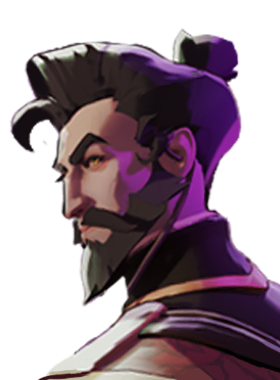 Mirage
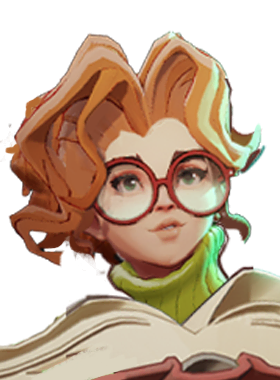 Paige
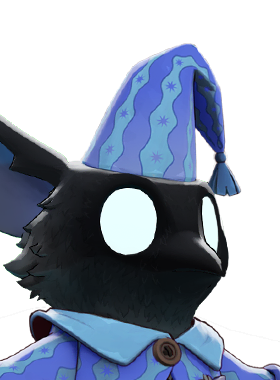 Rem
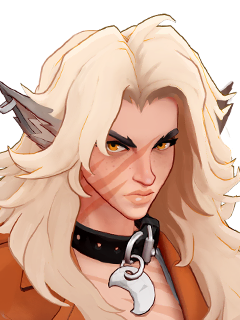 Silver
 Sinclair
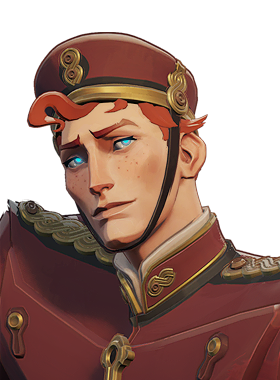 The Doorman
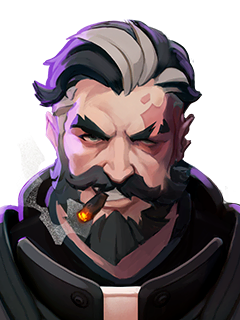 Venator
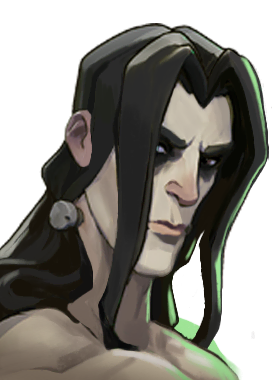 Victor
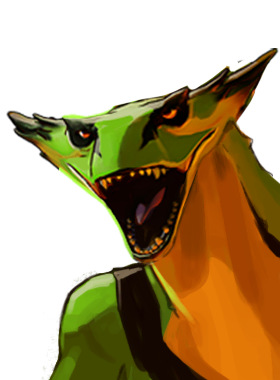 Vyper
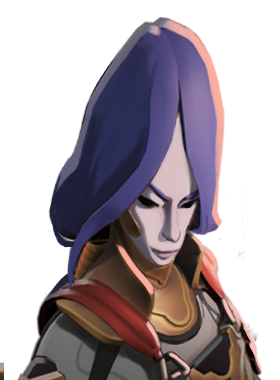 Yamato
What is Deadlock?
Deadlock is Valve’s third-person MOBA shooter. In the standard match, two teams of six fight across lanes in the Cursed Apple, an occult take on New York. You spend the opening trading around trooper waves, collecting souls, and building toward an item or ability upgrade. Later you group to clear defenses and open a route through the enemy base. The match ends when a team destroys the enemy Patron.
You can win a clean duel with good aim, but the route into the fight matters as much as the shots. Rooftops can hide an approach, interiors can cut off a sniper’s angle, and a bridge can give your team an easy line on anyone trying to retreat. Zip lines get you back into the action, while dashes, slides, and jumps let you cross short gaps quickly. Learning the exits around your lane buys you more time to aim and keep shooting.
Souls give you buying power and advance your hero through boons. A hero who can clear a wave quickly can show up first in a fight or force an opponent to stay behind. When a fight breaks out far from you, look at where the next wave will land before committing to the rotation. If you are too late to influence the fight, clearing the wave can leave your team a safer map to return to.
How the hero roles work
Frontline
Frontline heroes take contested space where their teammates would otherwise get pushed out. Abrams threatens enemies near walls, while Mo & Krill can hold a target still long enough for the team to finish it. As the first one in, look over your shoulder before committing. If your team has to cross a doorway or climb a roof to see your target, they may arrive after your control ends.
Damage
Damage heroes turn good positioning or a teammate’s setup into pressure. Infernus wants time to maintain a burn, while Vindicta can finish a low-health target from farther away. The best angle is often the one you can keep shooting from for several seconds. If your opponent can close the space in one dash, save a movement option or move before they turn toward you.
Control
Control heroes change where a fight can happen. Paradox can pull a target out of a comfortable angle by swapping places. McGinnis can split a route with a wall. Success can be as simple as breaking the line between a frontline player and their backup, then letting your teammates finish the isolated target.
Support
Supports extend the time allies can stay in a fight or give them a safe way out. Kelvin can close off a dangerous line of fire, and Ivy can carry someone over terrain. If you are unsure where to stand, begin one dash away from the teammate you most need to save, with cover between yourself and the enemy’s highest-damage player.
How to pick a hero you’ll enjoy
Think about the moment you want to repeat. If you like catching a player who steps out of position, try a hero with a clear setup and rehearse what you do immediately afterward. If you like sustained aim, pick a weapon you can keep on target while moving. Players who enjoy reading the map often get more out of a save, a flank, or a wave they clear before their opponents notice.
Take two picks into Sandbox. Fire each gun from the distance you would actually use in a lane. Practice your opener while your target is moving. Then spend one stamina charge on the way in and see whether you still have a believable exit. The better starter is often the hero whose failed engage you can recover from without waiting for help.
After a few matches, look at one avoidable death. Were you reloading in the open, crossing the lane without a dash, or taking a trade with your main ability down? Pick a small correction for the next match. The beginner guide gives you an opening plan. Use Deadlock builds to choose a first purchase and a defensive pivot, or read the tier list for picks that work with less coordination.
Frequently asked questions
How many characters are in Deadlock?
This game build has 44 playable heroes. The roster above includes 26 full guides, and the rest appear in the More playable heroes list. Heroes in development are excluded from the count. Check the game build in the footer when comparing this list with an older guide.
Which Deadlock characters are easiest for beginners?
Start with Abrams if you want to fight up close, Infernus if you prefer to learn through tracking and short trades, or Seven if you like clearing waves and controlling a wide area. Stick with one hero long enough to recognize when your lane becomes dangerous and when you can leave it safely.
Do Deadlock heroes have fixed roles?
Roles here describe what a kit makes easiest. An Ivy who builds for sustained shooting can take a different job from an Ivy who prioritizes healing and saves. Plan around the tools your team actually bought and the cooldowns it has available. Most teams need both a way to start a fight and a way to turn it into an objective.
What is the difference between weapon damage and Spirit damage?
Weapon items usually improve your gun or grant effects tied to attacks. Spirit Power changes abilities and other stats only where the tooltip shows scaling. Read the specific damage type and scaling line before buying. Some abilities deal Spirit damage while scaling from Weapon Damage, so the two labels are worth checking separately.
Should I pick by the tier list?
Use it as a shortlist. A reliable hero can make solo queue easier, especially when you have never played with your teammates. Familiarity still matters when you have to manage a hard lane, land your setup, or choose a defensive item on the fly. The tier list is dated so you can see which patch it covers.
Where can I practice movement and hero abilities?
Use the Sandbox from the Hideout. Practice the same route with and without a dash-jump, then set up a bot and rehearse your opener at realistic range. The November 26 patch also added specific bot drills, including Bebop hooks and Lash slams, which make it easier to practice the defender's side of an interaction.